
How Spending Time in Nature Can Support Mental Health and Wellbeing

Updated: Aug 10
Many people instinctively notice that spending time in nature helps them feel calmer, clearer, or emotionally lighter.
Whether it is a quiet walk through woodland, sitting near water, time in a local park, or simply noticing sunlight and fresh air after a difficult day, natural environments often affect us in ways that feel deeply regulating.
In recent years, psychological research has increasingly explored the connection between nature and mental wellbeing, with studies suggesting that spending time outdoors may help reduce stress, support emotional regulation, and improve overall mental health.
While nature is not a replacement for professional mental health support, it can become an important and meaningful part of caring for emotional wellbeing.
Why Nature May Help Mental Health
Modern life can place the nervous system under constant pressure.
Many people spend large amounts of time:
indoors
on screens
multitasking
commuting
overstimulated
disconnected from rest or reflection
Natural environments often provide the opposite experience.
They tend to feel:
quieter
slower
less demanding
less overstimulating
more grounding
For many people, this creates space for the mind and body to settle.
Research has suggested that time in nature may help:
lower stress levels
reduce anxiety
improve mood
support concentration
encourage emotional regulation
reduce feelings of overwhelm
improve sleep and wellbeing
What Is Green Social Prescribing?

Across the UK, there has been increasing interest in what is known as green social prescribing.
This involves healthcare professionals connecting people with nature-based activities such as:
walking groups
gardening projects
conservation activities
outdoor community programmes
The NHS describes social prescribing as a way of connecting people with non-medical support that may improve wellbeing and reduce loneliness.
Research into green social prescribing suggests some participants report:
reduced anxiety
improved mood
increased connection
lower stress levels
greater overall wellbeing
Importantly, these approaches are generally used alongside therapy, medical care, or other support rather than as replacements for professional help.
Nature and Stress Reduction
One reason nature may feel calming is that natural environments are often less stimulating than modern digital or urban environments.
The sounds of birds, water, wind, or trees can help activate the body’s relaxation response and reduce the constant state of alertness many people experience during periods of stress or anxiety.
For people feeling emotionally overwhelmed or burnt out, even small periods outdoors may help create moments of psychological space.
Many people describe feeling:
mentally quieter
emotionally steadier
less pressured
more present after spending time outside
Attention, Overthinking, and Mental Exhaustion
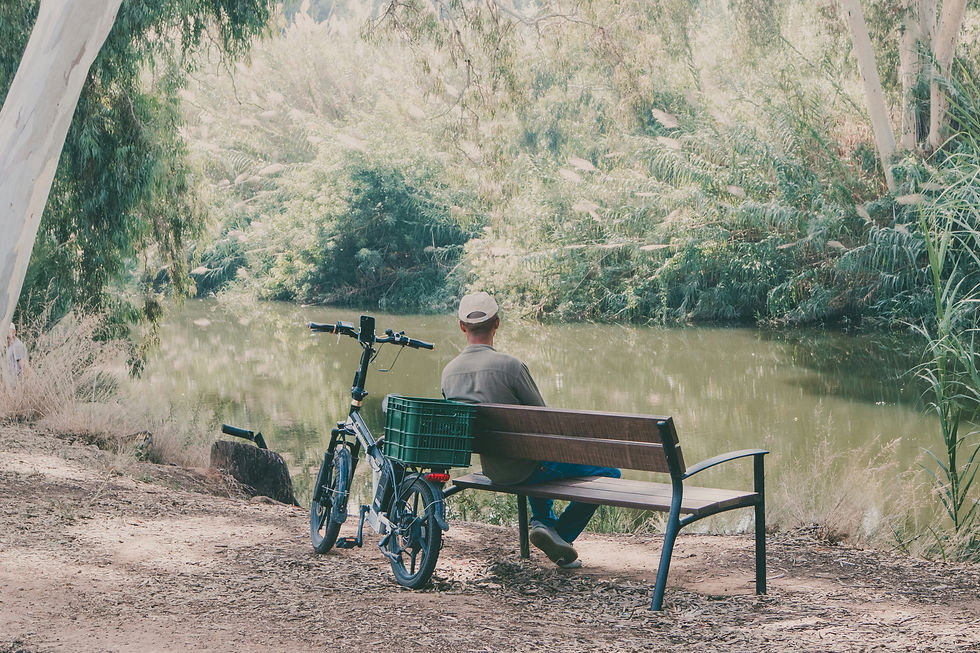
Modern life demands constant attention. Notifications, emails, work pressures, social media, and ongoing mental stimulation can leave people feeling mentally overloaded and emotionally exhausted.
Psychologists sometimes refer to “attention restoration theory,” which suggests that nature allows the brain’s attention systems to rest and recover.
Unlike screens and high-stimulation environments, nature gently holds attention without constantly demanding it.
For people struggling with:
overthinking
anxiety
burnout
mental fatigue
emotional overwhelm
this quieter mental pace can feel deeply restorative.
Nature, Movement, and Emotional Regulation
Nature-based activities often involve gentle movement, such as:
walking
gardening
photography
hiking
sitting outdoors mindfully
Physical movement itself is strongly associated with improved mental wellbeing and emotional regulation.
Sunlight exposure may also support:
sleep regulation
circadian rhythm
serotonin production
mood stability
Many people find that combining movement, fresh air, and reduced stimulation helps them feel more emotionally balanced.
Nature as a Complement to Therapy
In counselling and psychotherapy, people often begin exploring:
stress
anxiety
burnout
grief
identity
emotional overwhelm
relationship difficulties
self-esteem
Spending time in nature may complement this therapeutic process by helping people:
slow down mentally
reconnect with themselves
regulate difficult emotions
reflect more clearly
develop healthier self-care routines
Sometimes emotional clarity becomes easier when we step outside the environments that keep us constantly activated.
Simple Ways to Spend More Time in Nature
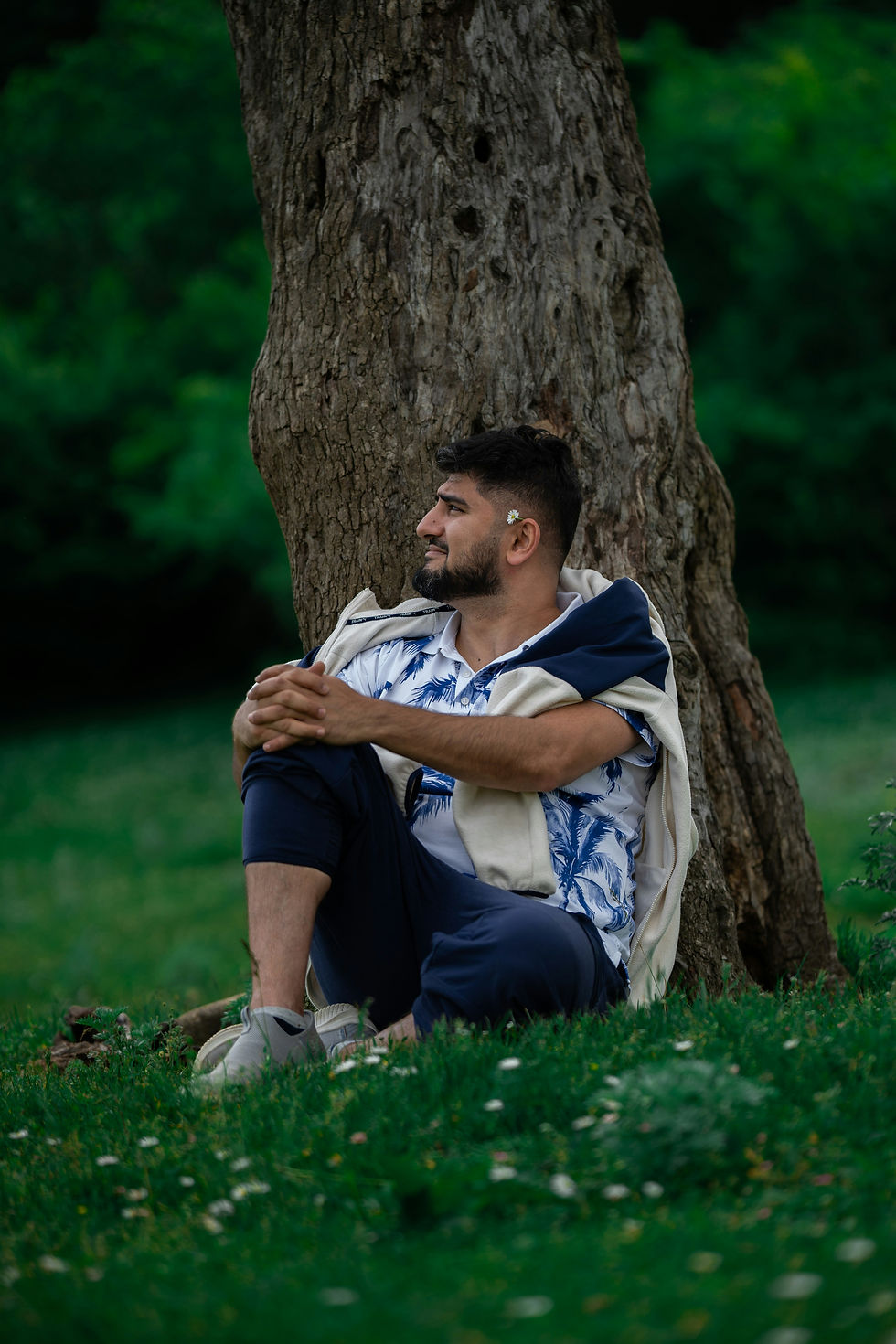
You do not need to live in the countryside or spend hours outdoors for nature to positively affect wellbeing.
Even small interactions with natural environments may help.
Some gentle starting points include:
visiting a local park
taking short walks outdoors
sitting near water or trees
reducing phone use during walks
noticing natural sounds and textures
bringing plants or natural light into indoor spaces
engaging in outdoor hobbies such as photography or journaling
The goal is not perfection or performance. Often, it is simply creating more moments of pause and connection.
A Gentle Reminder
Nature can support emotional wellbeing, but it is not a substitute for professional mental health support when someone is struggling significantly.
If you are experiencing ongoing anxiety, stress, burnout, low mood, or emotional overwhelm, speaking with a qualified therapist or healthcare professional may help you better understand what is happening beneath the surface.
Support does not have to wait until things feel unbearable.
Final Thoughts
Human beings evolved in close relationship with the natural world, yet many people now spend most of their time indoors, online, overstimulated, and disconnected from rest.
Reconnecting with nature — even in small ways — may help create moments of calm, reflection, emotional regulation, and perspective within increasingly pressured lives.
Sometimes a short walk, quiet green space, or moment outdoors can offer more emotional relief than we expect.
If you would like support exploring stress, anxiety, burnout, overwhelm, or emotional wellbeing, I offer confidential online counselling across the UK and internationally.
Written by Paul Madden MBACP (Accred) is a BACP Accredited Counsellor and Psychotherapist with around 20 years of experience supporting adults through anxiety, grief and bereavement, relationship difficulties, stress and burnout, men's mental health, sexual health concerns, life transitions and the emotional impact of health diagnoses. He offers online, telephone and in-person counselling in Ashford, Kent.
Learn more about Paul and his approach →


Comments