
Coping With Job Loss: Stress, Anxiety and Rebuilding Confidence

Updated: 5 days ago

Losing a job can be one of the most emotionally stressful experiences a person goes through.
Work is rarely only about income. It often provides structure, routine, identity, purpose, social connection, stability, and a sense of progress. When a job suddenly ends, it can affect far more than finances alone.
Many people experience:
shock
anxiety
sadness
anger
uncertainty
shame
emotional exhaustion
loss of confidence
These are not signs of weakness or failure. They are deeply human responses to loss, uncertainty, and sudden change.
Why Job Loss Can Affect Mental Health So Strongly
For many people, work becomes closely tied to identity and self-worth.
A job may shape:
daily routine
financial security
confidence
social connection
future plans
sense of purpose
When that disappears unexpectedly, the nervous system can react as though stability itself has been threatened.
Research has consistently linked job loss with increased:
stress
anxiety
low mood
sleep difficulties
emotional overwhelm
Many people also begin questioning themselves harshly after redundancy, dismissal, or career disruption, even when circumstances were outside their control.
Common Emotional Reactions After Losing a Job
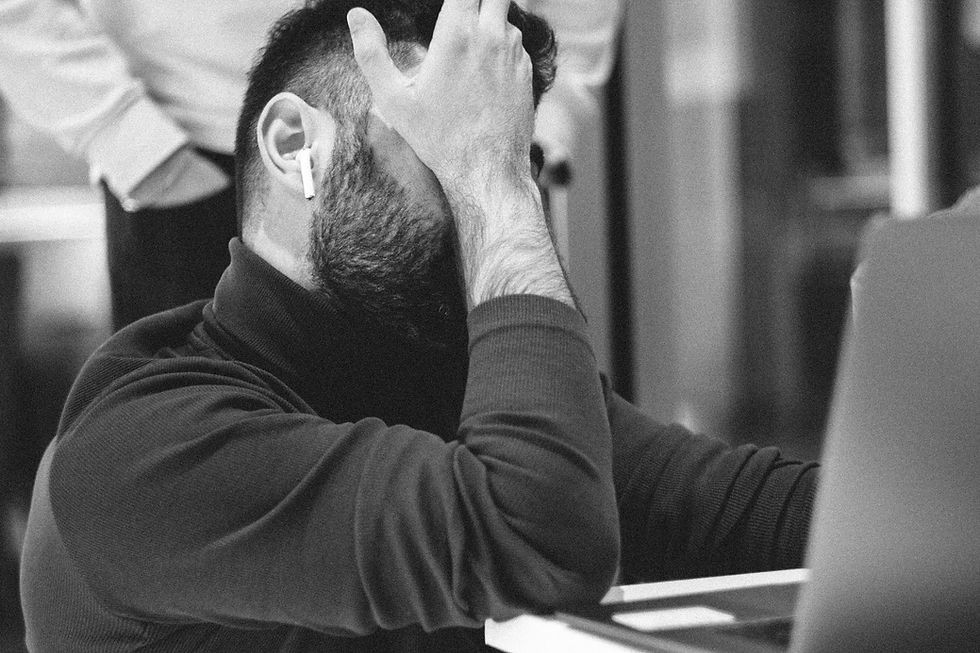
Everyone experiences job loss differently, but common reactions may include:
constant worry about finances or the future
disrupted sleep
difficulty concentrating
low confidence or self-esteem
irritability or emotional exhaustion
withdrawing from others
replaying conversations or events repeatedly
feeling emotionally stuck or directionless
Some people also feel unexpected relief, particularly if the workplace had become toxic, overwhelming, or emotionally draining. Conflicting emotions can exist together.
You may grieve the loss of stability while also recognising that the role itself was harming your wellbeing.
The Emotional Impact of Workplace Stress and Burnout
For some people, job loss follows months or years of:
chronic workplace stress
burnout
unrealistic pressure
feeling unsupported
toxic work environments
In these situations, the emotional impact can feel especially complicated.
You may feel:
emotionally exhausted
angry
numb
relieved
ashamed for not coping differently
Periods of burnout often affect confidence deeply, particularly for people who are used to functioning highly or supporting others.
If prolonged workplace pressure or burnout has contributed to how you are feeling, stress and burnout counselling can provide space to process what has happened and begin thinking about what you need next.
Why Confidence Often Drops After Job Loss
One of the hardest parts of losing a job is the effect it can have on self-worth.
Many people begin thinking:
“I’ve failed.”
“I should have handled things differently.”
“What if nobody hires me again?”
“I’m falling behind.”
During periods of uncertainty, the mind often becomes highly self-critical.
But losing a job does not erase:
your skills
your experience
your value
your resilience
your ability to rebuild
A difficult chapter is not the whole story of your life.
Practical Ways to Cope With Job Loss
1. Create Structure in Your Day

When routine disappears, days can quickly begin feeling unstructured or emotionally heavy.
Simple routines can help regulate the nervous system and restore some stability.
This might include:
getting up at a regular time
leaving the house daily
scheduling job searching realistically
making time for rest and movement
reducing endless scrolling or overthinking
The goal is not productivity perfection. It is emotional steadiness.
2. Break Tasks Into Smaller Steps
Large decisions and uncertainty can feel overwhelming after job loss. Try focusing on manageable next steps rather than solving everything immediately.
For example:
updating your CV
sending one application
speaking to a recruiter
contacting a trusted colleague
researching training opportunities
Small actions help rebuild momentum gradually.
3. Look After Your Physical Wellbeing
Stress affects the body as much as the mind.
Periods of unemployment or uncertainty can disrupt:
sleep
appetite
energy
concentration
emotional regulation

Gentle self-care matters more during stressful transitions, not less.
Try to prioritise:
regular meals
movement
time outdoors
rest
human connection
4. Talk About What You’re Carrying
Many people isolate themselves emotionally after losing a job, especially if they feel ashamed or worried about judgement. But speaking openly with supportive people can reduce emotional pressure significantly. You do not need to carry uncertainty entirely on your own.
5. Reframe the Experience as Transition Rather Than Failure
This can be difficult initially, especially when emotions are raw.
But over time, many people discover that job loss eventually led them towards:
healthier work environments
better boundaries
career changes
retraining
new priorities
more sustainable ways of living
A period of transition does not mean your life is moving backwards.
When Therapy May Help
Counselling can provide space to:
process grief and uncertainty
manage anxiety and stress
rebuild confidence
explore identity outside work
understand burnout or workplace trauma
think more clearly about next steps
Support is not about “fixing” you. Often, it is about creating enough emotional space to think, feel, and move forward more compassionately.
Final Thoughts
Job loss can affect emotional wellbeing far more deeply than many people expect.
You do not need to minimise what this experience has meant for you.
Periods of uncertainty can feel frightening, exhausting, and emotionally destabilising. But they can also become moments where priorities, identity, and direction begin slowly shifting in important ways.
You do not have to have everything figured out immediately.
If you are struggling with stress, anxiety, confidence, burnout, or emotional overwhelm following job loss, counselling can provide a confidential and supportive space to talk openly and begin making sense of what comes next.
I offer BACP accredited online counselling across the UK and internationally.
You are very welcome to get in touch if you would like to arrange an initial assessment or ask any questions before getting started.
Paul Madden MBACP (Accred) is a BACP Accredited Counsellor and Psychotherapist with around 20 years of experience supporting adults through anxiety, grief and bereavement, relationship difficulties, stress and burnout, men's mental health, sexual health concerns, life transitions and the emotional impact of health diagnoses. He offers online, telephone and in-person counselling in Ashford, Kent.
Learn more about Paul and his approach →


Comments