
Public Grieving for Famous People: What Glen Hansard's Farewell Teaches Us About Loss

Updated: Aug 10
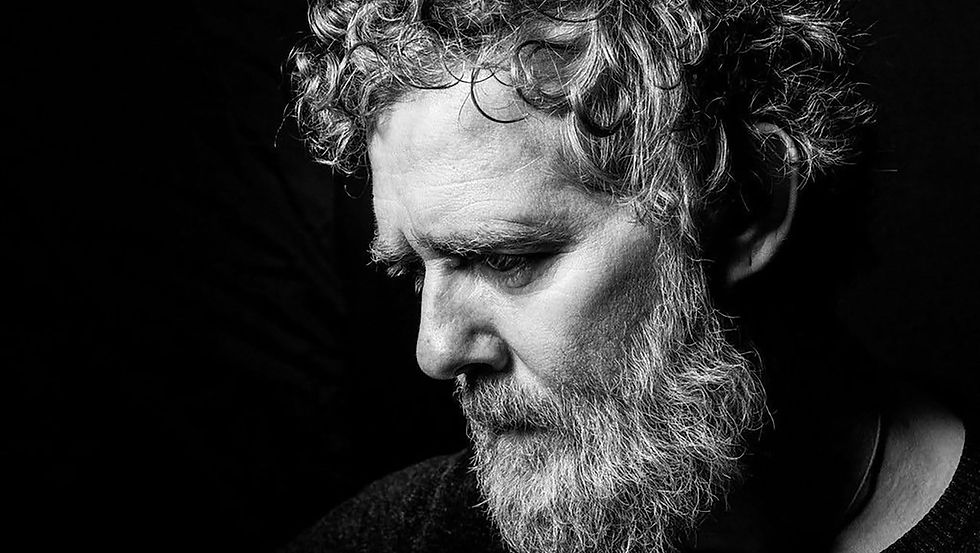
The death of Glen Hansard has touched people far beyond his family, friends and fellow musicians. In the days following his death, thousands queued to pay their respects at his public wake, while many more gathered for his funeral or watched from afar. The outpouring of grief has prompted an important conversation: Why do we grieve people we've never met?
As a therapist, this is a question I hear surprisingly often. Some people feel embarrassed by the depth of their sadness following the death of a public figure. They wonder whether their feelings are "real" or somehow inappropriate. The answer is simple: our grief is real because our connection was real.
If the loss of a public figure has brought up difficult feelings, previous losses or emotions that feel hard to manage alone, support is available. I offer online counselling across the UK, providing a confidential space to explore what the loss has brought up for you.
The Psychology Behind Public Grieving for Famous People
Public grieving for famous people is a deeply human response that reflects our capacity to form meaningful emotional connections through music, film, books, sport, and other shared cultural experiences. A singer whose music accompanied your first heartbreak, your wedding, or a difficult period of your life can become woven into your own life story.
We may never have spoken to them, but they became part of our emotional landscape.
When they die, we are not only mourning the person—we are also grieving:
the memories attached to them
the version of ourselves that existed during those moments
the sense that a familiar voice or presence in the world has gone
Psychologists sometimes refer to these as parasocial relationships—one-sided emotional connections that can nevertheless provide comfort, inspiration and meaning.
Why Irish Wakes Matter

Ireland has long recognised something modern psychology increasingly supports: grief should not be carried alone.
The traditional Irish wake is not simply about saying goodbye to the person who has died.
It creates space for people to:
tell stories
laugh as well as cry
sit in silence together
remember a life rather than focus only on a death
witness one another's grief
Rather than asking people to "move on", a wake acknowledges that grief deserves time, community and ritual.
The public wake held for Glen Hansard reflected this tradition beautifully, allowing people from all walks of life to come together in shared remembrance.
There Is Healing in Shared Mourning
One of the most powerful aspects of public grief is the reassurance that we are not grieving alone. Seeing others gather, leave flowers, share music or write tributes validates our own emotional experience.
Instead of wondering "Why am I so upset?" we begin to realise, "Others feel this too." That shared humanity often reduces shame and isolation.
Grief Doesn't Require Permission

Many people apologise for their grief after the death of a public figure.
"I didn't know him."
"It feels silly."
"It shouldn't affect me this much."
Yet grief is not measured by proximity. It is measured by meaning. If someone's work shaped your life, comforted you during loneliness, inspired your creativity or helped you through difficult times, then your sadness reflects the importance of that relationship—not its visibility.
What We Can Learn
Perhaps one of the greatest lessons from Irish traditions is that grief belongs in community. Modern life often encourages us to process difficult emotions privately. Yet healing frequently begins when our feelings are witnessed by others.
Whether we attend a wake, light a candle, listen to a favourite song, write a memory, or simply talk with someone who understands, these rituals remind us that loss is a shared human experience. They also remind us that love leaves traces—and those traces deserve acknowledgement.
Final Thoughts
The response to Glen Hansard's death reminds us that grief extends beyond family and close friends. It reaches everyone whose lives were touched by kindness, creativity, music or shared humanity.
If you find yourself unexpectedly emotional following the death of a public figure, know that your grief does not need justification.
It simply reflects that something—or someone—mattered. For some people, these feelings settle with time. For others, the loss can connect with earlier bereavements or bring up emotions that feel harder to manage. Grief and bereavement counselling can offer a space to explore those feelings without having to justify why the loss has affected you.
If you prefer to meet face-to-face, I also offer bereavement counselling in Ashford, Kent, alongside online and telephone counselling.
Written by Paul Madden MBACP (Accred) is a BACP Accredited Counsellor and Psychotherapist with around 20 years of experience supporting adults through anxiety, grief and bereavement, relationship difficulties, stress and burnout, men's mental health, sexual health concerns, life transitions and the emotional impact of health diagnoses. He offers online, telephone and in-person counselling in Ashford, Kent.
Learn more about Paul and his approach →

Comments